Why It’s Important for Plumbers to Handle Roof Penetrations to Prevent Leaks
When installing ventilation systems, exhaust fans, or ductwork, one crucial step that often gets overlooked is how the duct exits through the roof. This process — known as a roof penetration — might seem straightforward, but if not done correctly, it can lead to costly water leaks and long-term roof damage.
That’s why it’s always best to have a licensed plumber carry out roof penetrations. Here’s why it matters.
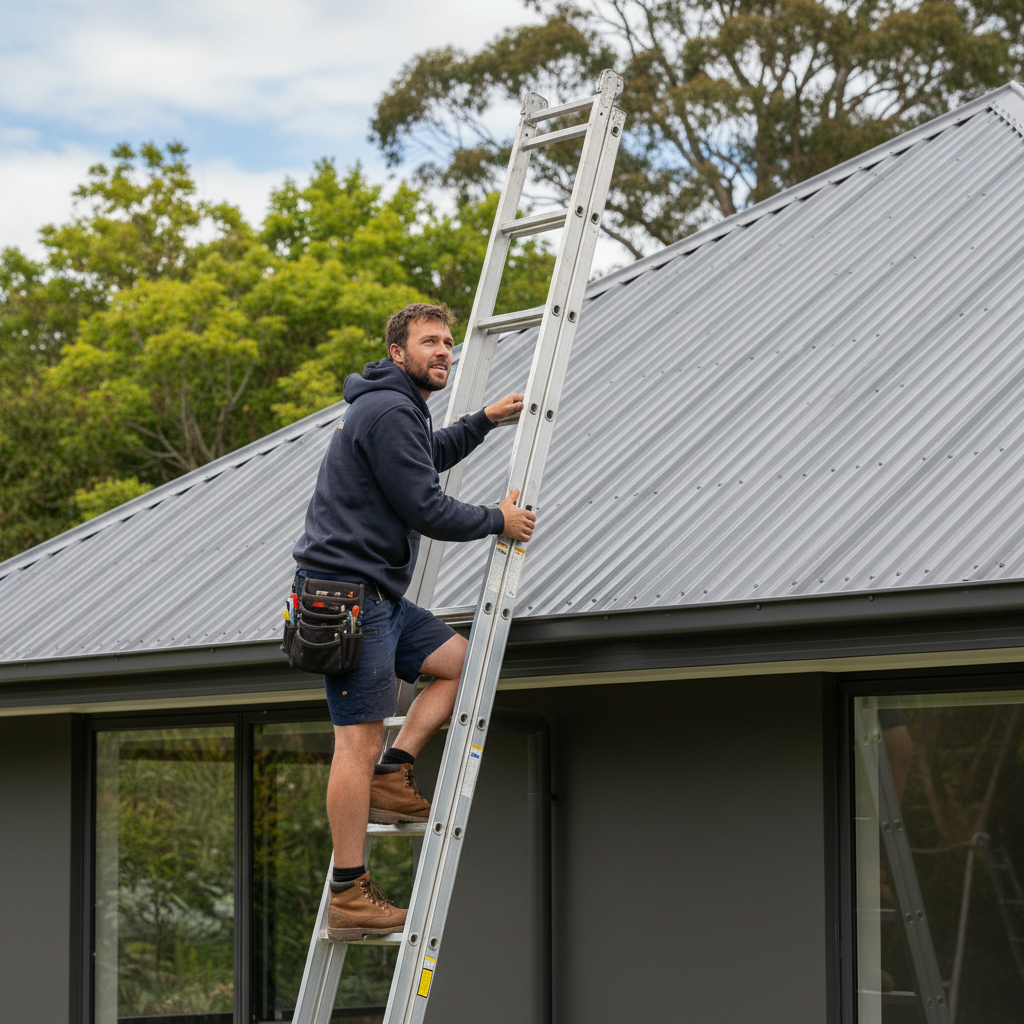
1. Roof Penetrations Are a Common Source of Leaks
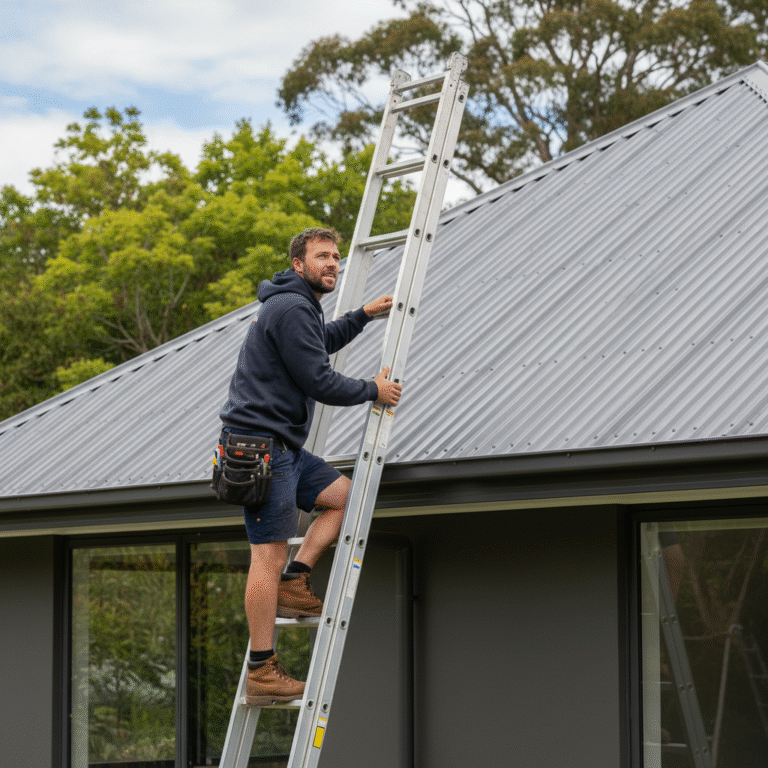
Any time you cut into a roof surface — whether for a rangehood vent, exhaust fan, or flue — you’re creating an opening that breaks the roof’s waterproof barrier. If that opening isn’t sealed and flashed correctly, rainwater can seep in, causing:
- Ceiling stains and internal water damage
- Timber rot in roof framing
- Mould and insulation deterioration
- Expensive repair costs over time
Even a small gap or poorly sealed junction can let in water during heavy rain or strong winds.
2. Licensed Plumbers Understand Roof Sealing and Flashing
Plumbers are trained and licensed to install, seal, and flash roof penetrations to meet Australian Standards and building codes. They have the right tools and experience to:
- Select the correct flashing and cowl for your roof type (tile, tin, or Colorbond)
- Ensure watertight seals using approved materials
- Position vents and ducts to maintain safe clearances and drainage
- Prevent backflow of rainwater or condensation
A professional plumber ensures that your system not only performs efficiently but also protects the integrity of your roof.
3. Compliance and Insurance Protection
Using a licensed plumber for roof work isn’t just best practice — it’s often a requirement for compliance and insurance. Many manufacturers and insurers specify that all roof penetrations and flashing must be completed by a qualified plumber to maintain warranty and coverage.
Incorrect or unlicensed work could void warranties or cause insurance claims to be rejected if water damage occurs.
4. A Collaborative Approach Ensures the Best Result
In many installations, both HVAC technicians and plumbers are involved. The technician installs the ducting and ventilation components, while the plumber handles the roof penetration and flashing. Working together ensures:
- Correct alignment between ducting and the roof vent
- A fully sealed and compliant installation
- Peace of mind for the homeowner or builder
In Summary
Roof penetrations might be a small part of an installation, but they play a huge role in protecting your home or building from water damage.
Always engage a licensed plumber to perform this work and ensure your roof remains watertight, compliant, and built to last.