Sensory Overload in the Kitchen? Your Rangehood Might Be the Problem (And the Fix)
If you’ve ever turned on your rangehood and immediately felt your shoulders tense, you’re not imagining things.
For a lot of people—especially those who are noise-sensitive, neurodivergent, anxious, overwhelmed, or simply exhausted after a long day—rangehood noise can feel like an instant sensory overload trigger.
That harsh roar, the rattling vibration, the constant hum… it doesn’t just “clear the air.” It can completely ruin the experience of being in your own kitchen.
And the frustrating part? Most homeowners assume that’s just normal.
It’s not.
What Sensory Overload Looks Like in the Kitchen
Sensory overload doesn’t always look dramatic. Sometimes it’s subtle, like:
- you avoid cooking because the noise stresses you out
- you turn the rangehood off even though you know you shouldn’t
- you feel irritated or overwhelmed while cooking
- you can’t focus on conversation or helping kids with dinner prep
- the sound feels “too loud” even when others say it’s fine
- your head starts to ache after a few minutes
- you feel instantly fatigued
For many people, especially parents, busy professionals, or anyone already managing a full mental load, the kitchen is already a sensory-heavy environment.
Add a noisy rangehood, and it becomes unbearable.
Why Some Rangehoods Feel So Much Worse Than Others
Rangehoods create noise for a few key reasons:
1. The motor is inside the hood
Most standard rangehoods have the motor right above your head, meaning the sound is amplified directly into the room.
2. Cheap ducting increases noise
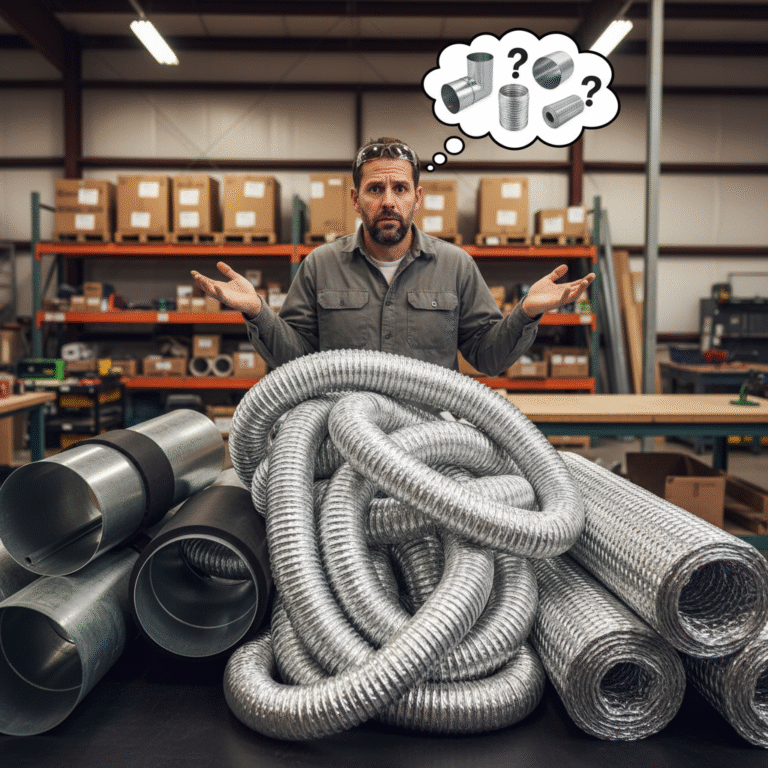
Flexible ducting, narrow ducting, and too many bends create turbulence. That turbulence makes the motor work harder—and you hear it.
3. Poor installation creates vibration
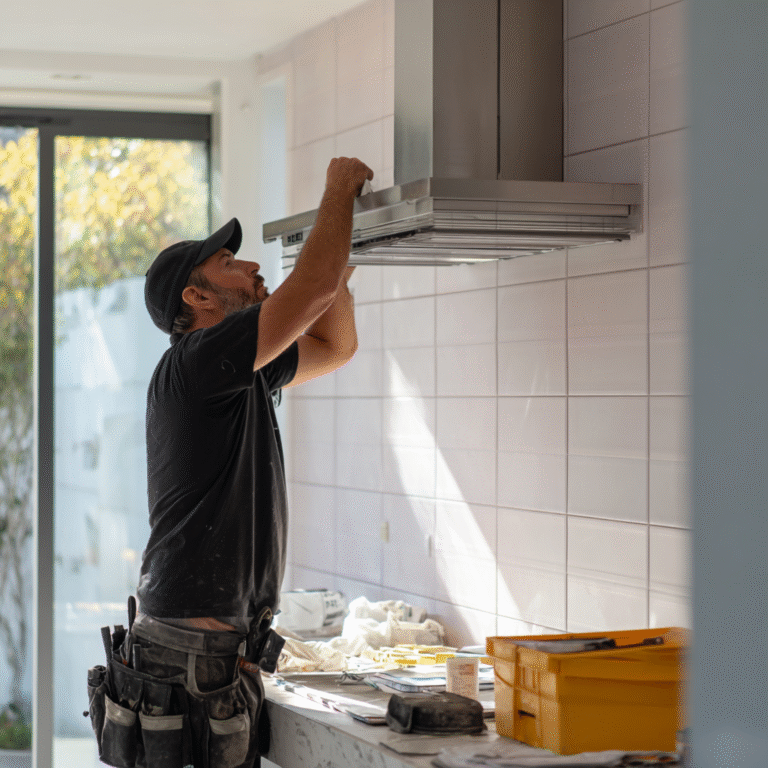
If the rangehood isn’t mounted properly or the ducting isn’t supported, the whole unit can vibrate through the cabinetry and ceiling.
4. You’re running it too high because it’s underperforming
Many people run their rangehood on max because it doesn’t extract well at lower settings. That’s when it becomes loud enough to cause stress.
The Hidden Problem: People Stop Using Their Rangehood
This is where it becomes more than just a comfort issue.
If your rangehood is unpleasant to use, you’ll naturally avoid turning it on.
That leads to:
- grease buildup on walls and cupboards
- lingering smells
- moisture trapped inside the home
- mould risk (especially in Melbourne winters)
- long-term damage to cabinetry and paint
So you end up choosing between noise stress or a stuffy kitchen.
You shouldn’t have to.
The Solution: Offboard / Silent Rangehood Systems
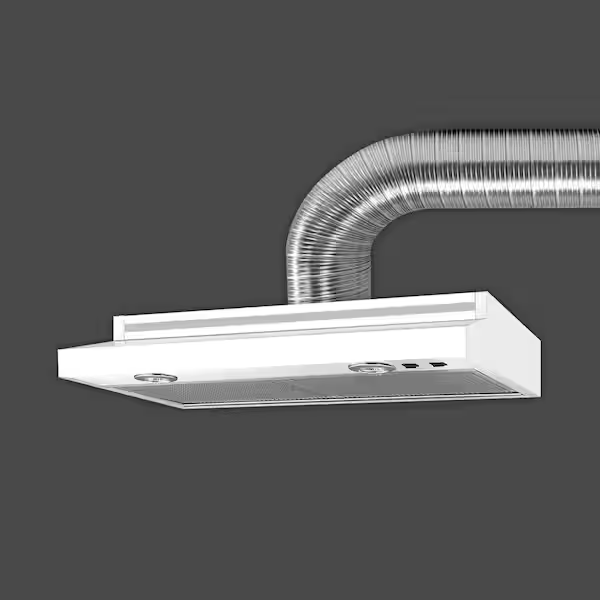
If you want the kitchen benefits of a powerful rangehood without the sensory overload, the best upgrade is an offboard motor rangehood system.
This is where the motor is moved away from the hood—usually into:
- the roof cavity
- outside on an external wall
- or mounted on the roof itself
Instead of the motor screaming above your cooktop, the sound is displaced away from your ears.
Why Offboard Rangehoods Are a Game-Changer
✅ 1. They are dramatically quieter
The biggest benefit is obvious: less noise.
Instead of a loud mechanical roar, you get a soft airflow sound.
This is the difference between a kitchen you tolerate and a kitchen you enjoy.
✅ 2. Better extraction with less effort
Offboard systems tend to be more efficient, meaning you can run them at lower speeds and still get great performance.
✅ 3. Less vibration inside the house
When the motor isn’t inside the canopy, you reduce the rattling and humming through cupboards.
✅ 4. You actually use it
When it doesn’t feel overwhelming, you’ll turn it on every time you cook—which means a cleaner, healthier home.
Schweigen: The Quiet Kitchen Upgrade People Don’t Know Exists
One of the best-known brands for this style of setup is Schweigen.
Schweigen rangehoods are designed specifically to reduce noise and sensory strain, using a silent offboard motor system.
Instead of a loud internal motor, Schweigen uses an external motor (often roof-mounted) so the kitchen stays calm and quiet.
For people sensitive to noise, this isn’t a luxury—it’s a quality-of-life improvement.
Who Benefits Most From a Silent Rangehood?
A silent offboard rangehood is perfect for:
- families with young children (especially noise-sensitive kids)
- people with autism or ADHD
- shift workers who need calm home environments
- anyone prone to anxiety or overwhelm
- people who work from home in open-plan spaces
- apartment or townhouse owners with echo-prone kitchens
- homeowners doing premium renovations
But honestly? It benefits everyone.
Because nobody enjoys cooking next to what sounds like a jet engine.
Melbourne Homes: Why Quiet Extraction Matters Even More
Melbourne kitchens often deal with:
- closed-up homes in winter
- condensation on windows
- heavy cooking smells lingering in open-plan living areas
- limited airflow in renovated properties
A strong rangehood isn’t optional—it’s essential.
But a loud one can make the home feel chaotic.
That’s why quiet extraction is one of the smartest upgrades you can make, especially in open-plan kitchens where the living room is only metres away.
What to Consider Before Installing an Offboard Rangehood
To get the best results, the install needs to be done properly.
✔ Roof penetration and flashing
If ducting exits through the roof, it must be flashed correctly to prevent leaks.
✔ Correct duct size
Most silent systems perform best with 150mm ducting.
Undersized ducting increases noise and reduces airflow.
✔ Duct run length and bends
Shorter duct runs = better extraction and quieter performance.
✔ Roof space access
Offboard motors need roof cavity access, which most Melbourne houses have, but some apartments may not.
Is a Silent Rangehood Worth the Money?
If you’ve ever felt stressed, overwhelmed, or irritated by your kitchen noise, the answer is yes.
A silent rangehood doesn’t just remove steam. It removes:
- frustration
- sensory overload
- tension while cooking
- the “too much noise” feeling that builds up at the end of the day
It can genuinely change how your kitchen feels.
Final Thoughts: Your Kitchen Should Feel Calm
The kitchen is supposed to be the heart of the home—not the loudest room in it.
If your current rangehood makes you feel overwhelmed, it’s not you being dramatic. It’s a design problem.
A quiet offboard motor rangehood like Schweigen (or similar systems) is one of the best ways to upgrade your kitchen comfort while still getting powerful extraction.
Because a kitchen should feel like home… not a construction site.