How Much Does It Cost to Install a Rangehood Flue?
If you’re installing a new rangehood or replacing an existing one, one of the most common questions homeowners ask is, “How much does a rangehood flue installation cost?”
The answer depends on several factors. Every home is different, and the complexity of the installation can vary significantly depending on the roof, ducting requirements, and the location of the rangehood.
In this article, we’ll explain the main factors that influence the cost of installing a rangehood flue so you can better understand what’s involved in the process.
1. Flue Size and Airflow Requirements
One of the biggest factors affecting installation complexity is the size of the flue required for your rangehood.
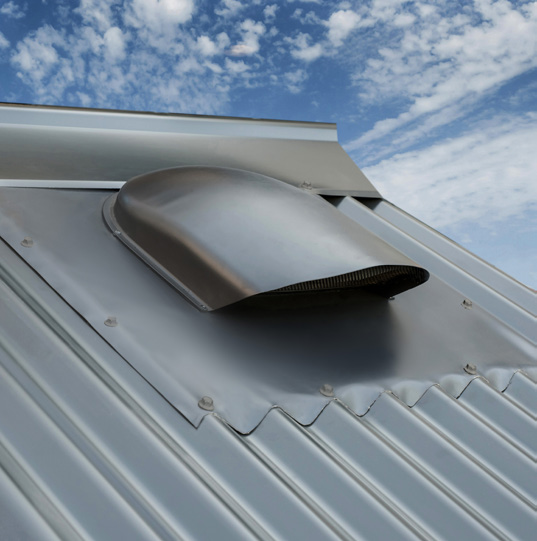
Higher-powered rangehoods move more air and often require larger diameter ducting to operate efficiently. Installing larger flues may require larger roof penetrations, additional structural considerations, and specialised flashing components.
Using the correct flue size is essential. Undersized ducting can reduce performance, increase noise levels, and place unnecessary strain on the rangehood motor.
2. Roof Material
The type of roof on your home can have a significant impact on the installation process.
Common roof types include:
- Colorbond and metal roofs
- Concrete tile roofs
- Terracotta tile roofs
- Flat roofs
- Roofs with solar panels or other obstacles
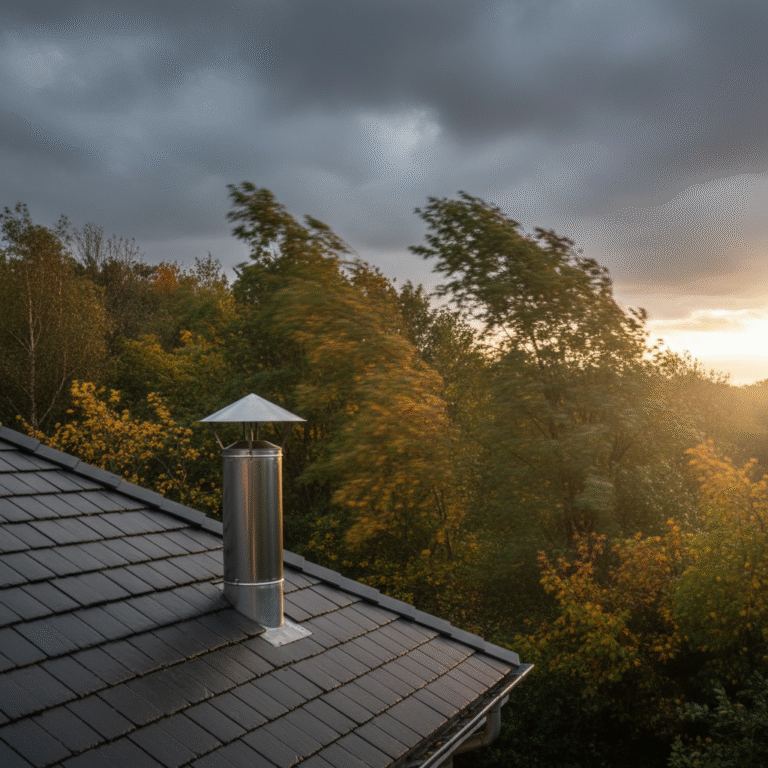
Each roof type requires different flashing systems and waterproofing methods to ensure the installation remains weatherproof and compliant.
Some roofs are easier to access and work on than others, while certain roofing materials require more specialised techniques and additional care during installation.
3. Length of the Duct Run
The distance between the rangehood and the roof exit point plays a major role in determining installation requirements.
Short, straight duct runs are generally simpler and allow for optimal airflow.
Longer duct runs may require:
- Additional ducting materials
- More support brackets
- Extra labour
- Careful planning to maintain airflow efficiency
The longer the duct run, the more important it becomes to minimise restrictions and maintain correct duct sizing throughout the system.
4. Number of Bends in the Ducting
Every bend or change in direction creates resistance within the duct system.
A straight vertical duct is usually the most efficient configuration. However, many homes require the ducting to navigate around roof trusses, beams, air-conditioning equipment, or other obstacles.
Additional bends can increase installation complexity and may require larger duct sizes or specialised fittings to maintain adequate airflow.
5. Type of Ducting Used
Not all ducting is created equal.
Common options include:
- Semi-rigid ducting
- Rigid metal ducting
- Insulated ducting
Rigid metal ducting is generally preferred for performance and durability, while insulated ducting can help reduce condensation issues in certain applications.
The type of ducting selected can affect both installation time and overall system performance.
6. Roof Access and Safety Requirements
Easy roof access can make a significant difference to the installation process.
Factors that may increase complexity include:
- Multi-storey homes
- Steep roof pitches
- Restricted access around the property
- Fragile roofing materials
- Weather conditions
Additional safety equipment may be required depending on the working environment and roof design.
7. Existing vs New Installation
Replacing an existing flue can sometimes be simpler if suitable ducting and roof penetrations are already in place.
However, if the existing installation is undersized, damaged, incorrectly installed, or non-compliant, additional work may be required to bring the system up to current standards.
New installations generally involve creating a new roof penetration, installing flashing, routing ductwork, and ensuring the system is properly sealed and weatherproofed.
8. Venting Through the Roof vs Wall
Some rangehoods can be vented through an external wall, while others require roof venting.
Roof venting often provides a more direct path for exhausting cooking fumes, but every property presents unique challenges.
The most suitable option depends on:
- Kitchen location
- Roof structure
- External wall access
- Manufacturer requirements
- Building design
Why Professional Installation Matters
A correctly installed rangehood flue does more than simply remove cooking odours.
Proper installation helps:
- Improve airflow efficiency
- Reduce noise levels
- Prevent roof leaks
- Minimise condensation issues
- Extend the life of the rangehood
- Ensure compliance with manufacturer requirements
Poorly installed ducting can significantly reduce performance and may lead to costly repairs in the future.

Need Advice on a Rangehood Flue Installation?
Every home is different, which is why it’s important to assess the roof structure, ducting route, and ventilation requirements before starting the installation.
A professional assessment can help determine the most effective and compliant solution for your kitchen while ensuring your rangehood performs at its best for years to come.