The Best Way to Vent Your Rangehood Outside (And Why It Matters)

A good rangehood does more than just remove cooking smells — it protects your home from moisture, grease build-up, and long-term damage. But even the best rangehood won’t perform properly unless it’s vented the right way.
If you’re planning a new kitchen or upgrading an existing rangehood, here’s the clear, no-nonsense answer:
The best way to vent your rangehood is directly to the outside, through the roof, installed by a licensed plumber.
Let’s break down why.
Why External Venting Is Essential
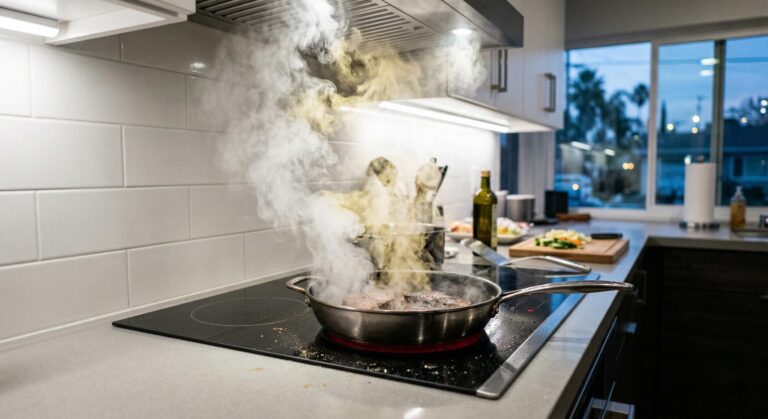
Many homes still use recirculating rangehoods that push filtered air back into the kitchen. While better than nothing, they don’t remove:
- Steam and moisture
- Grease particles
- Smoke and lingering odours
Over time, that moisture can lead to mould, peeling paint, and damage to cabinetry and ceilings.
Venting outside physically removes these pollutants from your home, improving air quality and protecting your kitchen long-term.
Why Venting Through the Roof Is the Best Option
While rangehoods can sometimes vent through an external wall, roof venting is usually the superior solution, especially in modern homes.
Key benefits of roof venting:
- Shortest, straightest duct run (better airflow and quieter operation)
- Less chance of grease buildup inside the duct
- No visible wall vents affecting your home’s exterior appearance
- Better performance for high-powered rangehoods
Roof venting allows hot, moist air to naturally rise and exit efficiently — exactly what you want above a cooktop.
Why You Should Use a Licensed Plumber
Installing a rangehood duct through your roof is not a DIY job.
A licensed plumber ensures:
- The roof penetration is properly flashed and sealed
- The correct ducting size and material is used
- Condensation issues are prevented
- The installation complies with building codes and manufacturer requirements
Poorly installed ducting can cause leaks, roof damage, or airflow problems — costing far more to fix later.
A licensed professional protects both your home and your warranty.
What a Proper Roof-Vented Installation Includes
A quality installation will typically involve:
- Rigid (not flexible) ducting for maximum airflow
- Minimal bends in the duct run
- An external roof cowl designed for rangehood exhaust
- Correct sealing and insulation where needed
When done correctly, your rangehood will be quieter, more effective, and longer-lasting.
The Bottom Line
If you want your rangehood to actually do its job:
✔ Vent it to the outside
✔ Vent it through the roof
✔ Have it installed by a licensed plumber