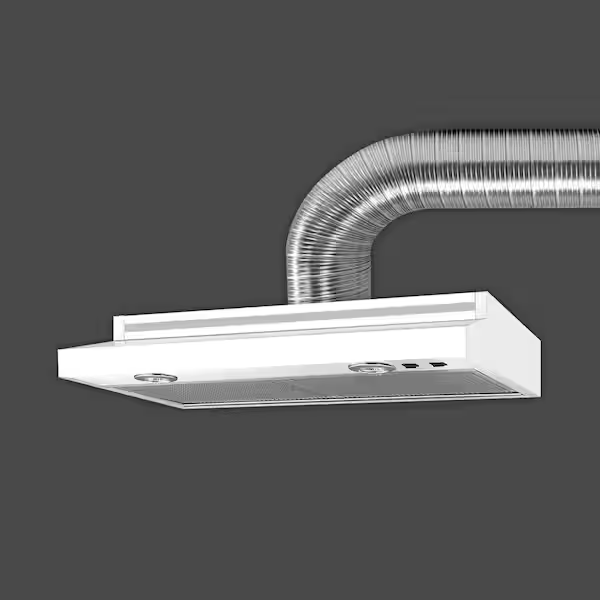
The Benefits of Semi-Rigid Ducting for Your Rangehood

When installing or upgrading a rangehood, most people focus on the appliance itself — but the ducting behind it is just as important. One of the best choices for effective, safe, and long-lasting ventilation is semi-rigid ducting.
Here’s why semi-rigid ducting is a smart option for your rangehood system.
1. Improved Airflow Performance
Semi-rigid ducting has a smoother internal surface than flexible foil ducting. This allows air, smoke, steam, and grease particles to move more efficiently through the duct.
Better airflow means:
- Faster removal of cooking fumes
- Reduced strain on the rangehood motor
- More effective ventilation overall
When airflow is restricted, grease and heat linger — increasing fire risk and reducing performance.
2. Quieter Operation
One of the most noticeable benefits of semi-rigid ducting is reduced noise.
Flexible ducting often creates turbulence as air passes over deep ridges and sharp bends, which increases vibration and airflow noise. Semi-rigid ducting allows air to move more smoothly, resulting in:
- Less rattling and vibration
- Reduced airflow “whooshing” noise
- A quieter kitchen environment, especially at higher fan speeds
This makes semi-rigid ducting ideal for open-plan kitchens and homes where noise reduction is important.
3. Reduced Grease Build-Up
Grease accumulation is a major concern in kitchen ventilation. The ridged, collapsible design of flexible ducting traps grease far more easily.
Semi-rigid ducting:
- Has fewer deep creases for grease to collect
- Is easier to clean
- Slows down grease buildup over time
Less grease in the ducting means lower fire risk and a safer kitchen.
4. Greater Fire Safety
Because it is typically made from aluminium, semi-rigid ducting is non-combustible and far more resistant to heat than plastic or thin foil alternatives.
Its shape also helps maintain proper airflow, reducing the chance of grease ignition inside the duct. For homes where cooking involves high heat or frequent frying, this added safety is a major advantage.
5. Holds Its Shape Better Than Flexible Ducting
Flexible ducting can sag, kink, or collapse — especially over time. These bends restrict airflow and reduce extraction efficiency.
Semi-rigid ducting:
- Maintains its shape once installed
- Resists crushing and sagging
- Allows gentle bends without sharp airflow restrictions
6. Easier and Cleaner Installation
Semi-rigid ducting offers the best of both worlds:
- More flexible than rigid ducting
- Stronger and smoother than flexible ducting
Installers can form it around obstacles while still achieving a neat, professional finish. Fewer sharp bends also mean better airflow and better performance.
7. Longer Lifespan and Better Value
While semi-rigid ducting may cost slightly more upfront than flexible options, it lasts longer and performs better over time.
That means:
- Less maintenance
- Fewer replacements
- Better long-term performance
Why Ducting Choice Matters
Your rangehood can only perform as well as the ducting connected to it. Choosing semi-rigid ducting improves ventilation efficiency, reduces noise, lowers fire risk, and helps keep your kitchen cleaner and safer.
If you’re installing a new rangehood or replacing old ducting, semi-rigid ducting is a reliable, practical choice that delivers real results — both now and in the future.