Renovating Your Kitchen or Installing a New One? Here’s What You Need to Know About Your Rangehood and Ducting
When planning a kitchen renovation or brand-new kitchen installation, most people focus on the visible elements: cabinetry, benchtops, splashbacks and appliances. But one of the most important decisions happens behind the scenes — how your rangehood is vented.
Getting your rangehood and ducting right from the start can mean the difference between a quiet, fresh, odour-free kitchen and one that’s noisy, steamy and full of lingering cooking smells.
Renovation vs New Build: Why It Matters
In a new kitchen installation, you usually have complete freedom to:
- Run new ducting through the ceiling or walls
- Choose the ideal exit point on the roof or external wall
- Size the ducting correctly for the rangehood you want
In a renovation, you’re often working around:
- Existing ceiling cavities and roof framing
- Limited access points
- Previous duct routes (or sometimes no ducting at all)
This means your rangehood choice and performance may be affected by what’s physically possible without major structural changes.
Ducted vs Recirculating: Always Duct if You Can
A ducted rangehood removes air, smoke and grease completely outside your home.
A recirculating rangehood:
- Filters the air
- Pushes it back into the kitchen
While recirculating can be easier in some renovations, it:
- Doesn’t remove heat or moisture
- Is less effective for strong cooking odours
- Requires regular charcoal filter replacement
If you’re renovating and have any viable path to an external wall or roof, ducting outside is almost always worth the effort.
Duct Size Is Critical
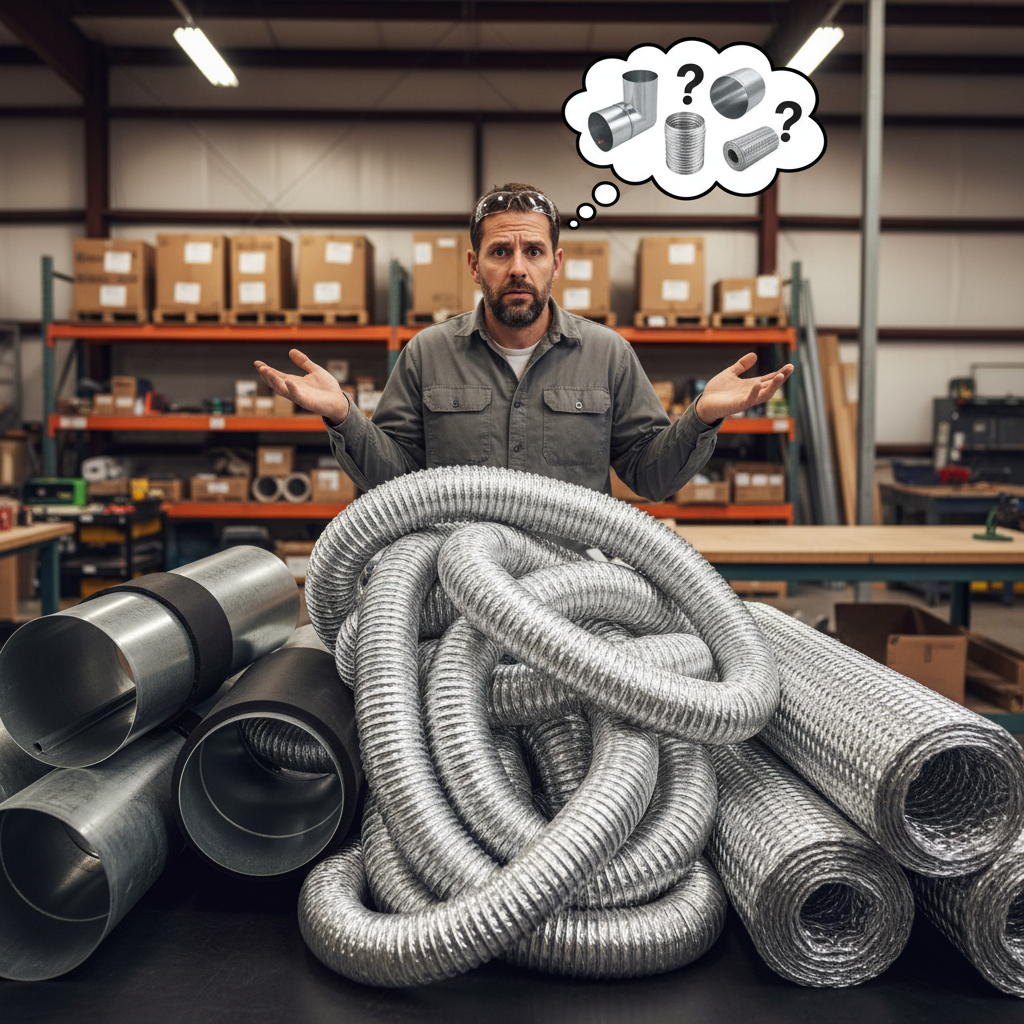
One of the most common mistakes is using ducting that’s too small.
Undersized or flexible ducting can cause:
- Excess noise
- Reduced airflow
- Grease build-up inside the duct
- Poor overall extraction performance
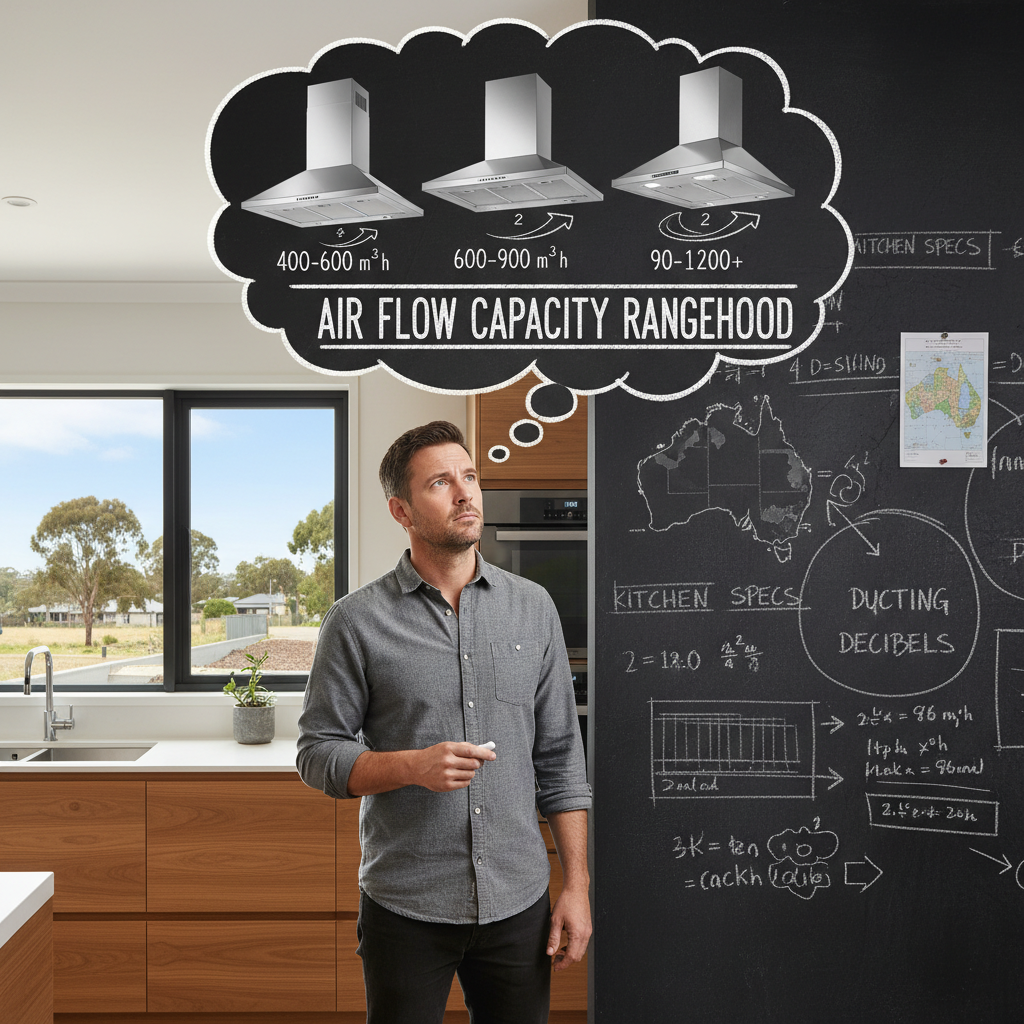
Most quality residential rangehoods perform best with rigid metal ducting of around 150mm diameter (sometimes larger for high-powered units). Reducing the size to “make it fit” will noticeably reduce effectiveness.
Keep the Duct Run Short and Straight
Every bend in the duct adds resistance and reduces airflow.
Good design aims for:
- The shortest possible path to outside
- Minimal bends (ideally no more than two gentle turns)
- Smooth, rigid duct rather than concertina/flexible pipe
If you’re planning a new kitchen, position your cooktop with duct routing in mind. In renovations, you may need to compromise between ideal layout and ideal ventilation path.
Think About Noise Early
If quiet operation is important to you (especially in open-plan homes), your ducting layout matters.
Long, restrictive or flexible duct runs make any rangehood louder because the motor has to work harder.
This is also where external or remote motors can be a smart upgrade, particularly in renovations where the cooktop location is fixed but you can improve noise levels by moving the motor into the roof or outside.
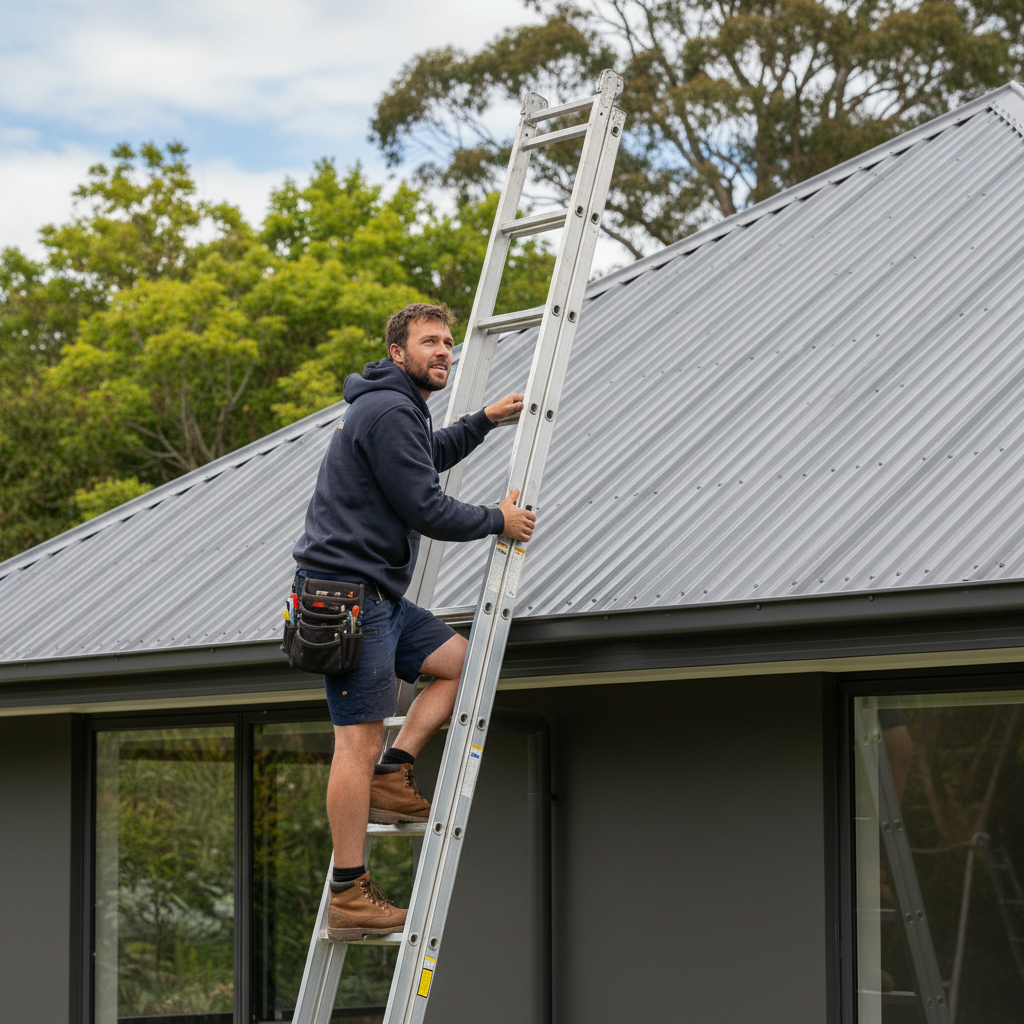
Don’t Forget the Roof or Wall Exit
The external vent point needs proper:
- Flashing (on roofs) to prevent leaks
- Weatherproof covers
- Backdraft dampers to stop cold air coming back in
This is not just a hole in the wall or roof — poor finishing here can lead to water damage or drafts.
Plan Rangehood and Cabinetry Together
Your cabinetmaker, kitchen designer and installer should coordinate early.
Things to lock in before cabinetry is built:
- Exact rangehood model
- Duct diameter
- Duct exit direction (upwards or backwards)
- Space required above the ceiling for bends and fittings
Last-minute changes often lead to tight spaces, crushed ducts or unnecessary extra bends.
When Renovating an Older Kitchen
Be prepared for surprises such as:
- No existing ducting
- Asbestos in old flue locations
- Structural beams blocking the ideal path
A site inspection before finalising your kitchen design can save costly redesigns later.
The Big Takeaway
Whether you’re renovating or installing a brand-new kitchen, treat your rangehood and ducting as essential infrastructure, not an afterthought.
Well-planned ducting delivers:
- Better removal of smoke and odours
- Quieter day-to-day use
- Less grease and moisture damage in your home
- A more comfortable and enjoyable kitchen overall
Design the ventilation properly at the start, and every time you cook you’ll notice the difference.