Reduce the Risk of Fire in Your Kitchen with a Well-Maintained Rangehood

The kitchen is the heart of the home — but it’s also one of the most common places for house fires to start. Cooking fires account for a large percentage of residential fire incidents, and one often-overlooked contributor is a poorly maintained rangehood.
A clean, well-functioning rangehood doesn’t just keep your kitchen smelling fresh — it plays a vital role in reducing fire risk. Here’s why rangehood maintenance matters and what you can do to keep your kitchen safer.
Why Rangehoods Matter for Fire Safety
Every time you cook, especially when frying or grilling, grease, oil particles, smoke, and heat are released into the air. Your rangehood is designed to capture and remove these by-products before they spread through your kitchen.
Over time, grease builds up inside:
- Filters
- Fan components
- Ducting
- The rangehood canopy itself
Grease is highly flammable. When it accumulates, a simple flare-up on the stovetop can ignite the grease inside the rangehood, allowing a small incident to turn into a serious fire very quickly.
Signs Your Rangehood Needs Attention
If your rangehood isn’t properly maintained, you may notice:
- Sticky or greasy surfaces on or around the hood
- Reduced airflow or poor smoke extraction
- Unusual noises from the fan
- Lingering cooking smells
- Visible grease dripping or discoloration
These are clear signals that grease buildup is present — and that fire risk may be increasing.
Simple Maintenance Steps That Make a Big Difference
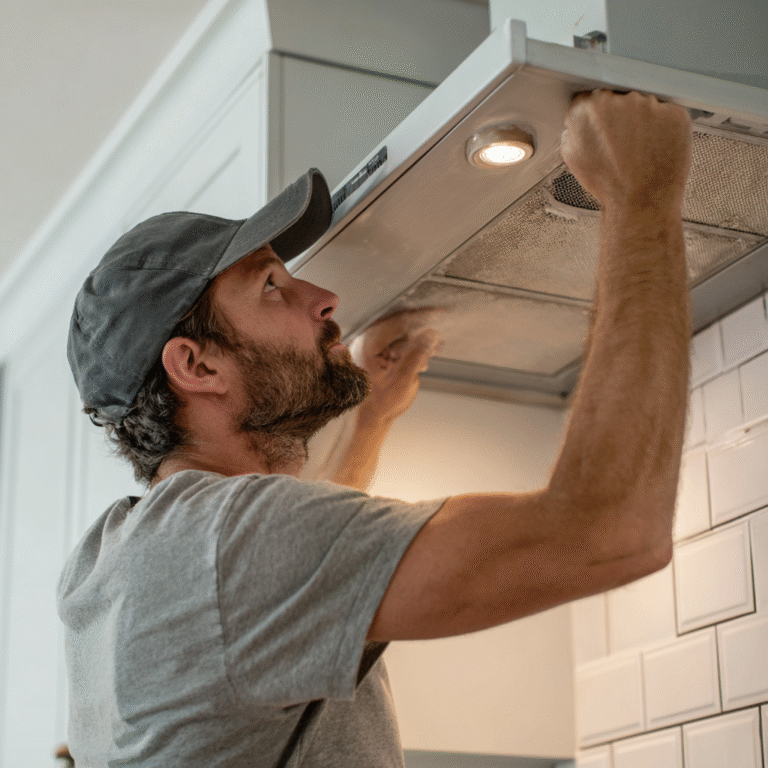
1. Clean or Replace Filters Regularly
Metal filters should be cleaned every 1–3 months, depending on how often you cook. Many can be washed in warm soapy water or placed in the dishwasher. Charcoal filters (common in recirculating rangehoods) need to be replaced as recommended by the manufacturer.
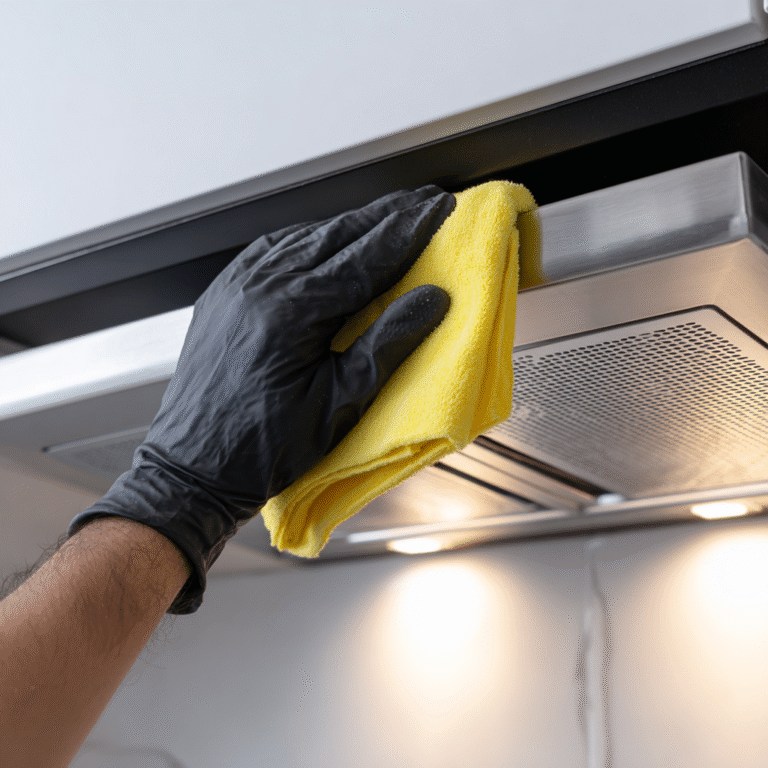
2. Wipe Down the Canopy and Surrounding Areas
Grease doesn’t just stay inside the hood. Regularly wiping down the exterior surfaces prevents buildup that could ignite from high heat.
3. Schedule Professional Servicing
For heavy-use kitchens or commercial environments, professional cleaning ensures internal components and ducting are free from hidden grease deposits.
4. Use the Rangehood Every Time You Cook
Turning it on — even for quick meals — helps prevent grease from settling and reduces long-term buildup.

The Added Benefits of a Well-Maintained Rangehood
Beyond fire safety, a clean rangehood also:
- Improves indoor air quality
- Reduces lingering odors
- Protects cabinets and walls from grease damage
- Extends the lifespan of the appliance
- Keeps your kitchen looking cleaner and more hygienic
A Small Task That Protects Your Home
Fire prevention doesn’t always require major changes — sometimes it’s about maintaining the systems already in place. Keeping your rangehood clean and functioning properly is a simple, effective way to reduce the risk of kitchen fires and protect your home and family.
If you’re unsure when your rangehood was last cleaned or serviced, now is the perfect time to check. A little maintenance today can prevent a major hazard tomorrow.