

My Rangehood Ducting Doesn’t Seem to Go Anywhere — What Should I Do? (Melbourne Guide)
If you’ve discovered that your rangehood ducting doesn’t seem to go anywhere, you’re not alone. In Melbourne—especially in older weatherboard homes, apartments, and renovated kitchens—it’s surprisingly common to find rangehoods that vent into the ceiling cavity, aren’t connected properly, or were set up as recirculating systems without anyone realising.
This guide will help you diagnose the issue, understand what’s required under Victorian conditions, and know when to call a professional.
What Melbourne Homeowners Often Don’t Realise
Many older homes and DIY renovations in Melbourne have rangehoods with:
- Ducting that stops in the ceiling
- No exterior vent at all
- Incorrectly installed foil ducting
- Rangehoods running in recirculation mode unintentionally
- Moisture and mould issues caused by poor ventilation
In Victoria’s climate—cold winters and humid summers—incorrect ducting can quickly lead to condensation, mould, sagging plaster, damaged insulation, and structural problems.
1. Check Whether Your Rangehood Is Ducted or Recirculating
Some rangehoods are designed to recirculate air back into the room rather than vent it outside.
Signs it’s recirculating:
- Charcoal filters inside
- Air blowing out the front/top vents
- No duct outlet visible
- No exterior vent on your wall or roof
If this is the case, you may simply need new charcoal filters.
2. If It Should Be Ducted, Look for Hidden or Disconnected Ducting
Incorrect ducting is very common in Melbourne kitchens.
You might find:
- Ducting loose in the roof cavity
- A duct that isn’t connected to anything
- A flexible foil duct crushed or kinked
- No external exit point
This is a building and moisture-management problem that should be corrected promptly.
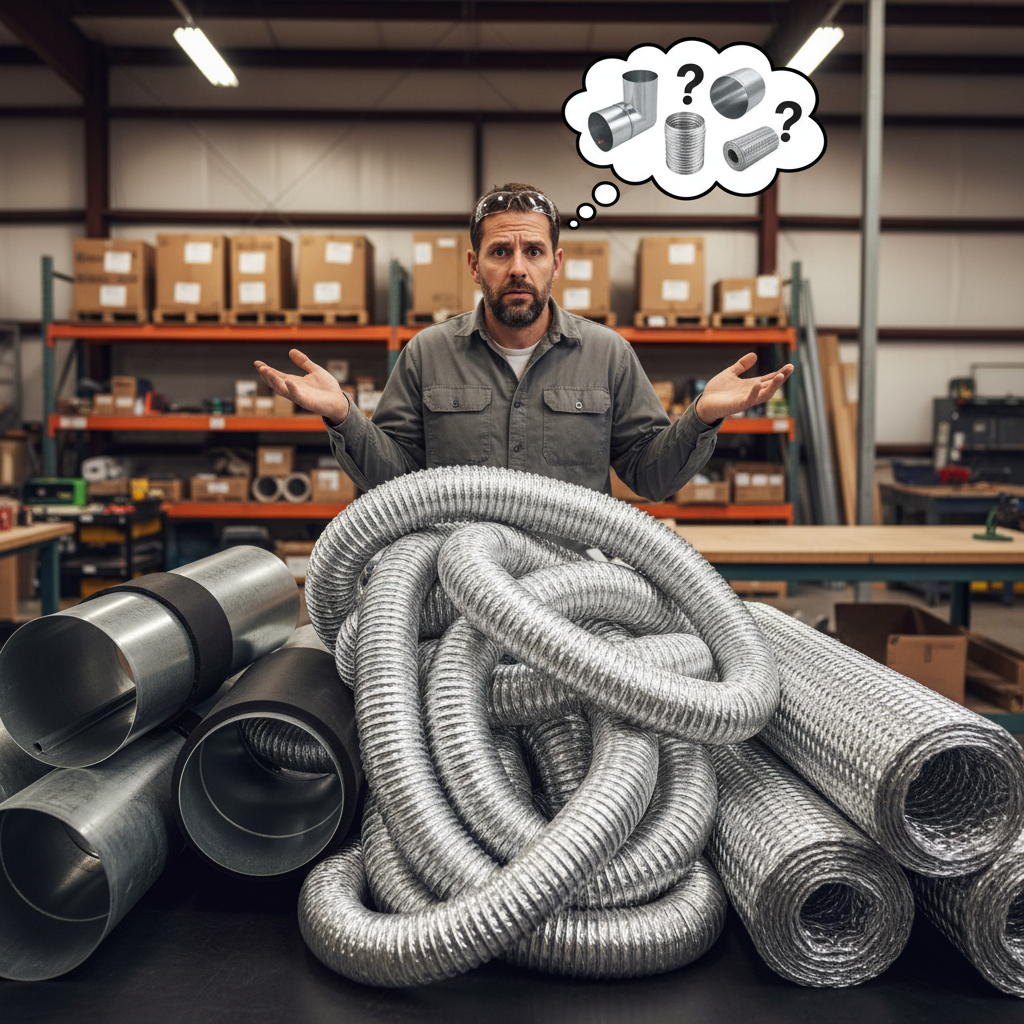
3. Trace Where the Ducting Should Vent in a Melbourne Home
Correct venting options include:
- Roof cowl (most common in two-storey homes)
- External brick wall
- Through the eaves (less efficient but allowed)
Victorian homes are becoming more airtight due to energy-efficiency standards, making proper kitchen ventilation essential.
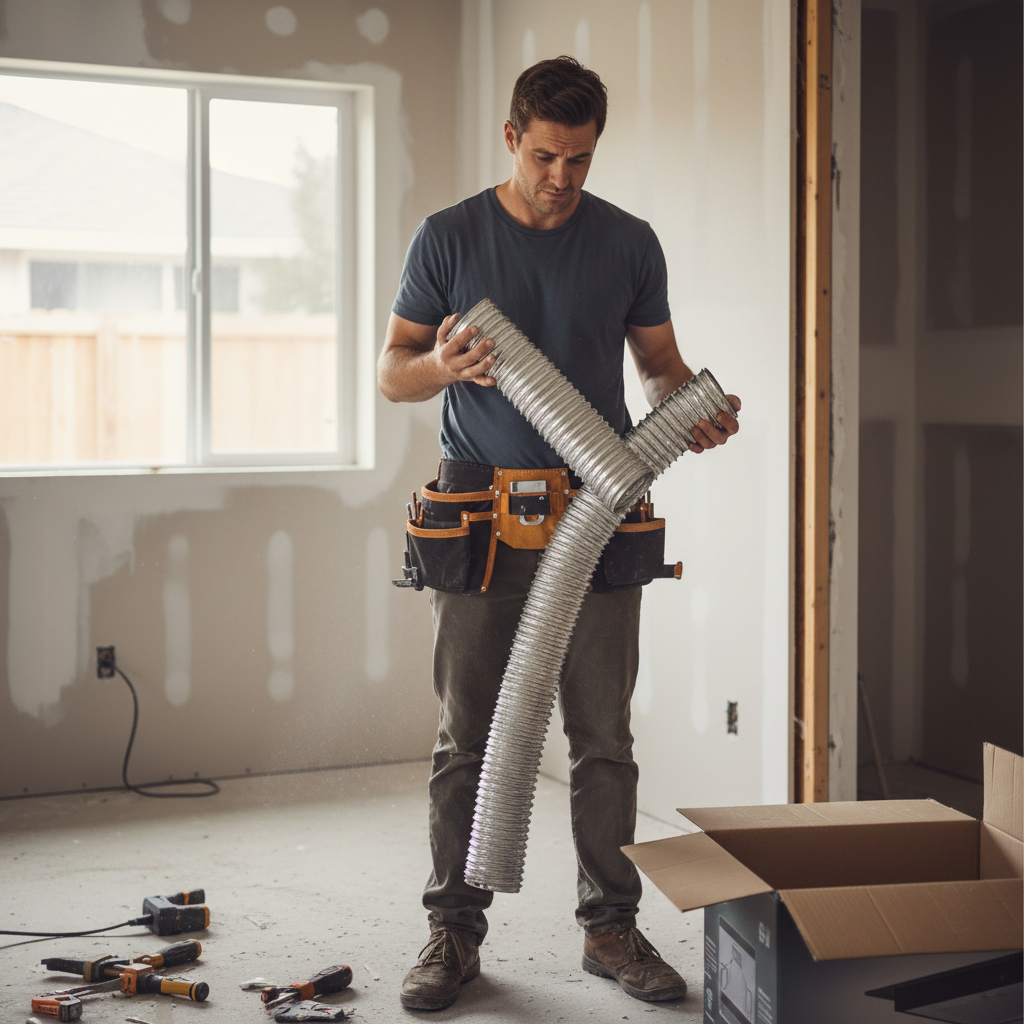
4. Inspect the Quality of the Ducting
Melbourne’s cooler winters can cause condensation inside poor-quality ducting.
Avoid:
- Thin foil flex duct
- Long duct runs with multiple bends
- Uninsulated ducting in roof spaces
Choose:
- Rigid ducting
- Proper insulation
- Smooth, straight runs wherever possible
5. Your Fix Options (Melbourne-Specific Advice)
✔ Option A — Install or Replace External Ducting
Best for performance and moisture control. Ideal for homeowners renovating or correcting a bad install.
✔ Option B — Convert to a Recirculating Setup
Suitable for:
- Apartments
- Body corporate limitations
- Buildings with no practical exterior vent route
You’ll need a recirculation kit and proper filters.
✔ Option C — Replace the Rangehood
If your unit is old or underpowered, upgrading can improve airflow dramatically.
💧 Professional Installation: Capital Plumbing Can Help
If your rangehood ducting isn’t connected, goes nowhere, or needs updating, Capital Plumbing can install new ducting or change over existing ducting.
We service all of Melbourne and can ensure your system is compliant, efficient, and properly vented to the exterior.
👉 Call Capital Plumbing for a Quote Today
Get expert advice and a fixed-price quote on rangehood ducting installation or changeover.
Final Thoughts
A rangehood that doesn’t vent anywhere is more than an inconvenience—it can cause serious moisture damage in a Melbourne home. Whether you need new ducting installed, a changeover, or a full assessment, getting it sorted now will improve air quality, safety, and your kitchen’s performance.




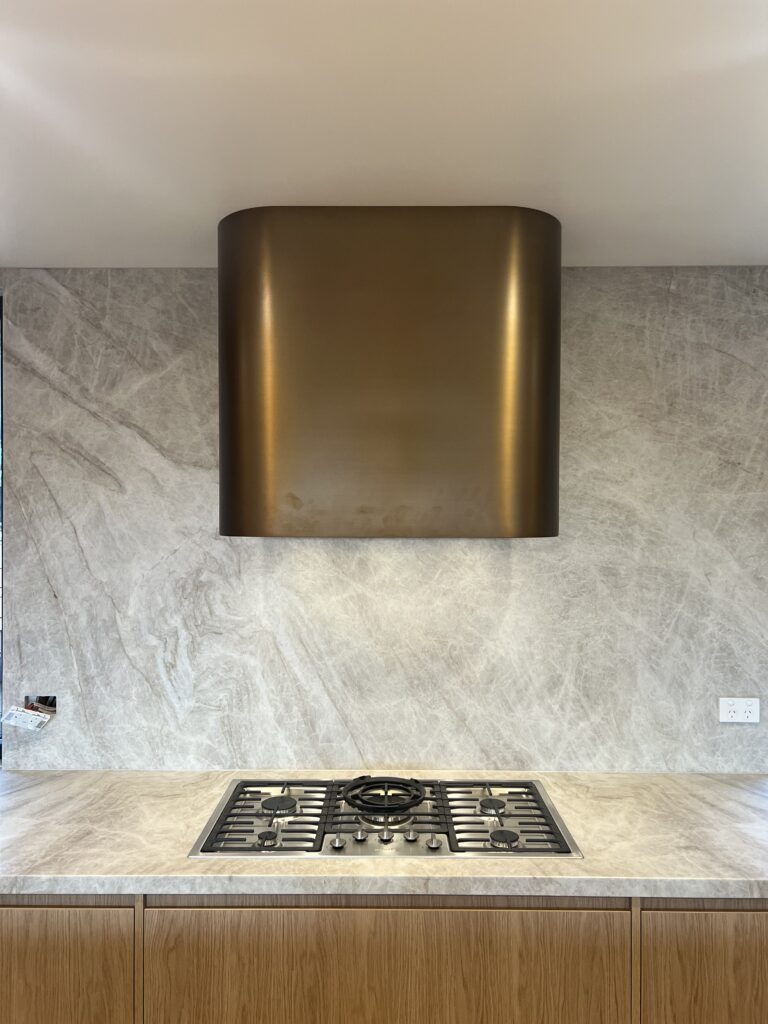
I have a side out rangehood, old ducting doesn’t connect to the ceiling or outside. I would like to get a quote for replacing ducting to outside
Hi Danny, A quote has been sent. Thank you