Not Sure Which Roof Flashing Your Rangehood Flue Needs? Here’s Why You Should Never Guess
When installing a ducted rangehood, most homeowners focus on choosing the right appliance, selecting the best extraction system, and deciding where the flue will run. However, one of the most important components of the entire installation is often overlooked—the roof flashing.
While it may seem like a small detail, selecting the wrong roof flashing can lead to water leaks, costly roof repairs, reduced weather protection, and even premature roof deterioration.
If you’re unsure which roof flashing your rangehood flue requires, the safest approach is simple: don’t guess.
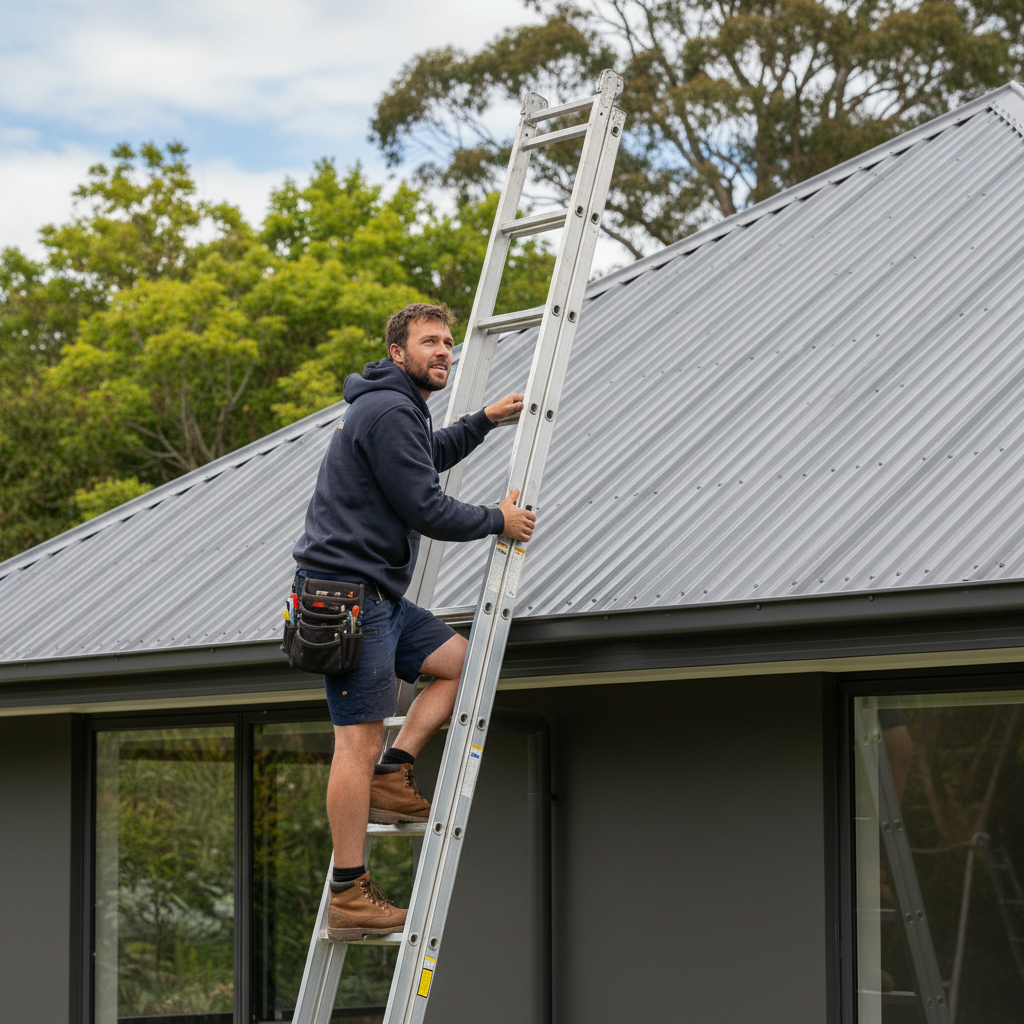
What Is a Roof Flashing?
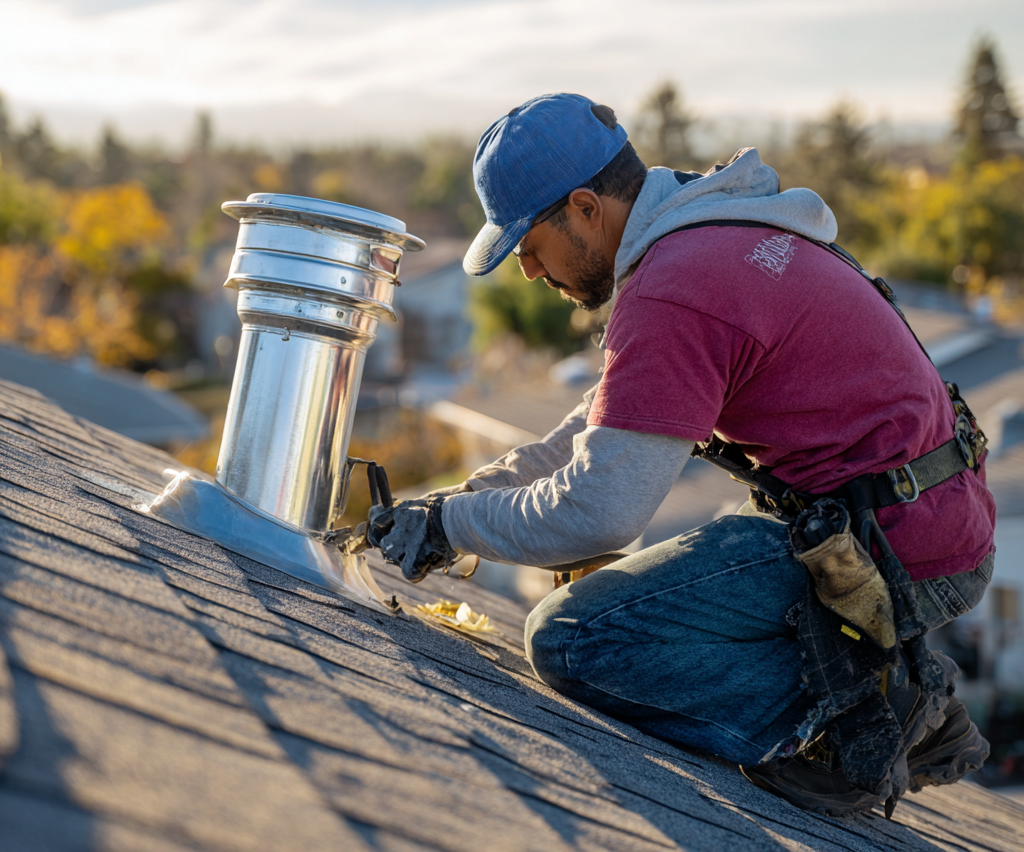
A roof flashing is a specially designed weatherproof seal installed where the rangehood flue penetrates your roof. Its purpose is to prevent rainwater from entering the roof cavity while allowing the flue to safely pass through the roofing material.
A correctly selected flashing creates a watertight seal that protects your home from moisture damage and helps ensure your ventilation system performs as intended.
Why Choosing the Wrong Flashing Can Cause Problems
Not all roofs are the same, and neither are roof flashings.
The flashing required for a Colorbond® metal roof will be different from the flashing needed for a tiled roof. Roof pitch, flue diameter, roofing profile, and local weather conditions can all influence which flashing is suitable.
Using the wrong flashing may result in:
- Water leaks around the flue penetration
- Damage to roof insulation and ceiling linings
- Mould and moisture issues inside the roof cavity
- Corrosion of roofing materials
- Expensive repair work in the future
- Reduced lifespan of the roof and ventilation system
Unfortunately, many of these problems may not become visible until months or even years after installation.
Why There Isn’t a One-Size-Fits-All Solution
A common misconception is that any flashing can be adapted to fit any roof.
In reality, roof flashings are designed to suit specific roofing materials and profiles. Factors that affect flashing selection include:
Roofing Material
Different flashing designs are required for:
- Corrugated metal roofs
- Trimdek and Klip-Lok profiles
- Concrete roof tiles
- Terracotta roof tiles
- Flat roofing systems
Roof Pitch
The angle of your roof impacts how water flows around the flashing. A flashing that performs well on a low-pitch roof may not be suitable for a steeper roof.
Flue Diameter
Rangehood flues come in various sizes, and the flashing must accommodate the specific duct diameter being installed.
Climate Conditions
Homes located in areas with heavy rainfall, strong winds, or coastal conditions may require additional weatherproofing considerations.
Why Professional Advice Matters
Choosing the correct roof flashing isn’t something most homeowners deal with regularly.
Experienced rangehood and ventilation specialists work with roof penetration systems every day and understand how different roofing materials, flue sizes, and installation methods interact.
Seeking professional advice helps ensure:
- The correct flashing is supplied for your roof type
- The installation complies with manufacturer recommendations
- Weatherproofing performance is maintained
- Potential issues are identified before installation begins
- You avoid costly mistakes and delays
What Information Will You Need?
To determine the correct flashing for your rangehood flue, you may be asked for:
- Your roof type (metal or tile)
- Roofing profile details
- Roof pitch
- Flue diameter
- Photos of the roof, if available
Providing this information allows installers and suppliers to recommend the most suitable solution for your specific application.
Get It Right the First Time
A roof flashing may not be the most visible part of a rangehood installation, but it plays a critical role in protecting your home from water damage.
Rather than guessing which flashing you need, seek advice from ventilation professionals who can assess your roof type and flue requirements before installation begins.
Getting the right flashing from the start can save you time, money, and potential repair costs while ensuring your rangehood system performs safely and efficiently for years to come.
Need Help Choosing the Right Roof Flashing?
If you’re planning a ducted rangehood installation and aren’t sure which roof flashing is required, contact our team. We’ll help identify the correct flashing solution for your roof type, ensuring a safe, weatherproof, and professional installation.