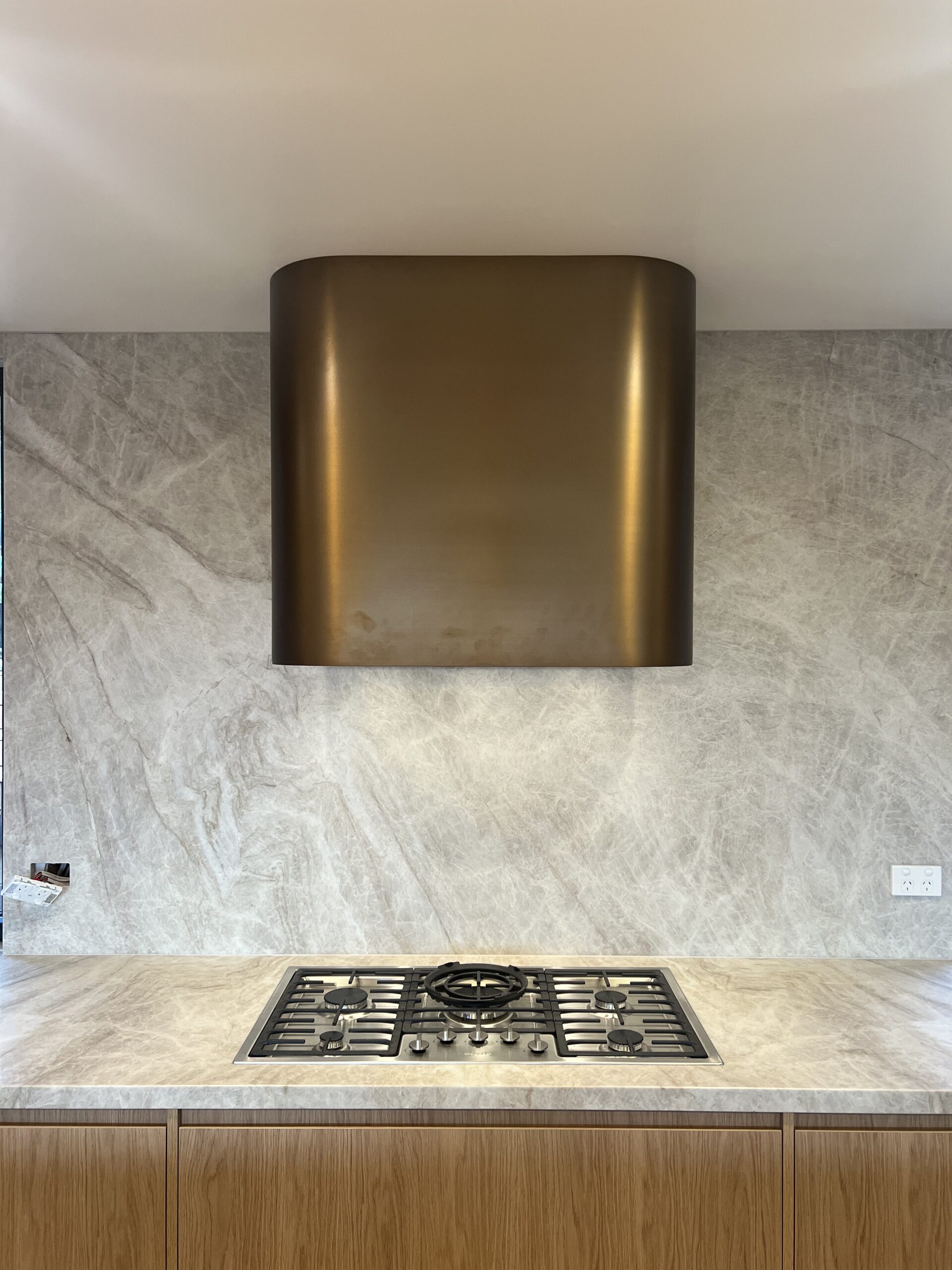
🧠 What to Consider Before Buying a Rangehood
A rangehood is a key kitchen appliance that improves air quality, removes smoke and odours, and helps protect your walls and ceilings from grease buildup. But choosing the right one isn’t just about looks — it’s about performance, kitchen layout, and safety. Here’s what you need to know before making your purchase.

🔹 1. Know Your Kitchen Setup
Before you start shopping, measure your space and take note of:
- Ceiling height
- Cooktop width
- Wall clearance
- Existing ducting location (if any)
Having accurate dimensions will help you choose a rangehood that fits properly and performs well.
🔹 2. Decide Between Ducted vs. Ductless (Recirculating)
Ducted Rangehoods
- Vent air outside your home
- Provide the most effective smoke and heat removal
- Usually quieter and better for heavy cooking
Ductless Rangehoods
- Recirculate air through charcoal filters
- Ideal where external ducting isn’t possible
- Less effective at removing heat and moisture
Tip: If possible, always choose a ducted system — especially for serious home cooks — because it removes more grease, odour, and moisture.
🔹 3. Match Size to Your Cooktop
The rangehood should be as wide as your cooktop — ideally a bit wider:
- For a 600mm cooktop → 600mm+ rangehood
- For a 900mm cooktop → 900mm+ rangehood

This ensures smoke and fumes are captured before they spread.
🔹 4. Understand Airflow & Suction Power (Measured in CFM or m³/h)
Airflow tells you how much air the rangehood can move:
- Higher airflow = stronger extraction
- Measured in CFM (cubic feet per minute) or m³/h
General guideline:
- Light cooking: lower airflow
- Frequent frying or heavy cooking: higher airflow
Ask your installer or retailer for recommended airflow based on your cooktop type.
🔹 5. Consider Noise Levels
Rangehoods vary significantly in noise. Decibel levels are usually listed by manufacturers.
- Quieter models are preferable for open-plan kitchens
- Ducted systems with smooth ducting (like semi-rigid ducting) are generally quieter than systems with flexible foil ducting
Pro tip: Look for rangehoods with multiple fan speeds — lower speeds often offer sufficient ventilation for everyday cooking with less noise.
🔹 6. Choose the Right Style
Your rangehood should fit both function and design:
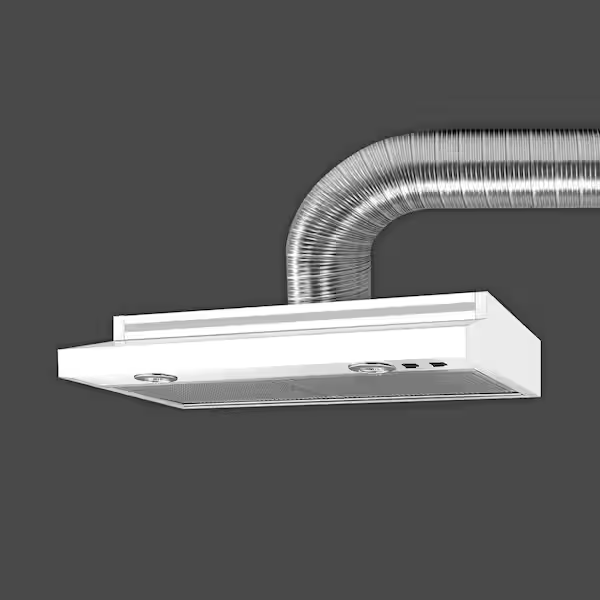
- Under-cabinet — classic and space-saving
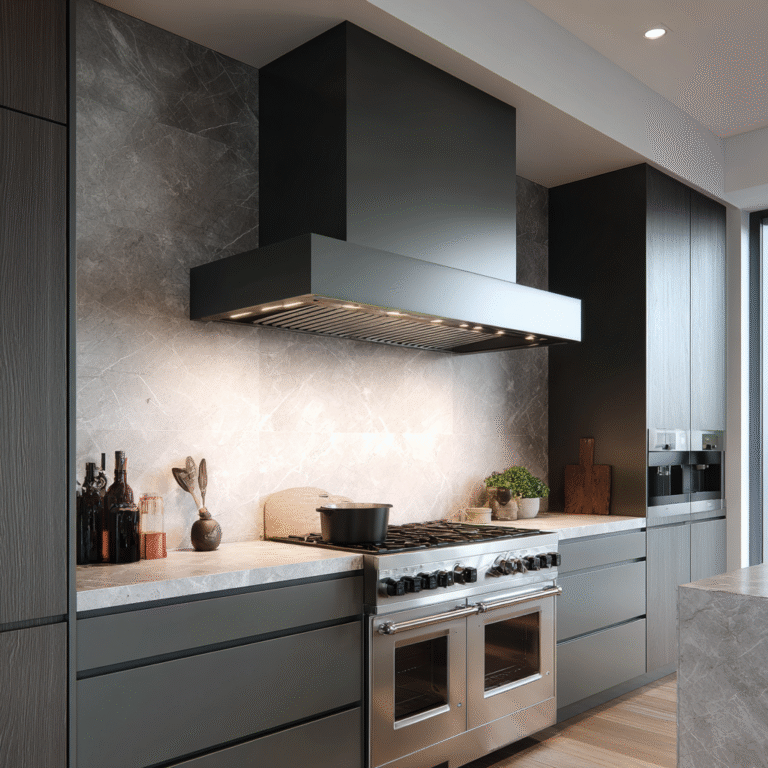
- Canopy/Wall-mounted — modern look with strong performance
- Island — great for island cooktops
- Downdraft — retractable option for sleek kitchens
Each has different installation and airflow characteristics — so pick what suits your space best.
🔹 7. Check Filter Type & Maintenance Needs
Filters capture grease and odours. Common types:
- Metal baffle filters: washable, long-lasting, best for ducted systems
- Charcoal filters: needed for ductless systems & require regular replacement
Maintenance matters: clean filters often for best performance and reduced fire risk.
🔹 8. Ducting Matters — Don’t Overlook It!
Your rangehood’s effectiveness depends heavily on ducting quality:
- Use semi-rigid ducting if possible — it offers better airflow, less grease buildup, and quieter operation.
- Avoid overly long runs or sharp bends — these reduce performance.
🔹 9. Safety Features to Look For
Good rangehoods often include:
- Heat sensors
- Auto shut-off
- Grease filters that are easy to clean
- Correct electrical rating
These features help keep your kitchen safe and efficient.
🔹 10. Budget Wisely
Rangehood prices vary widely. While it’s tempting to choose the cheapest option:
- Invest in good airflow and quiet operation
- Balance price with long-term performance and maintenance costs
A quality rangehood paired with proper installation will last longer and perform better.
✅ Final Tip: Professional Installation is Worth It
Even the best rangehood won’t work well if it’s installed incorrectly. A professional installer will:
- Ensure correct ducting
- Optimize airflow
- Reduce noise
- Improve safety
Choosing the right rangehood means better air quality, reduced fire risk, quieter operation, and a more enjoyable cooking experience. With the right information — and the right product — you’ll be breathing easier in your kitchen in no time!